Table of Contents
Transparent LED technology represents a revolutionary shift in digital signage, combining high-impact visuals with a see-through design that preserves natural light and visibility. Unlike traditional bulky screens, these displays are integrated into glass surfaces, turning everyday windows into dynamic marketing tools without blocking the view or the sunlight.
What is Transparent LED?
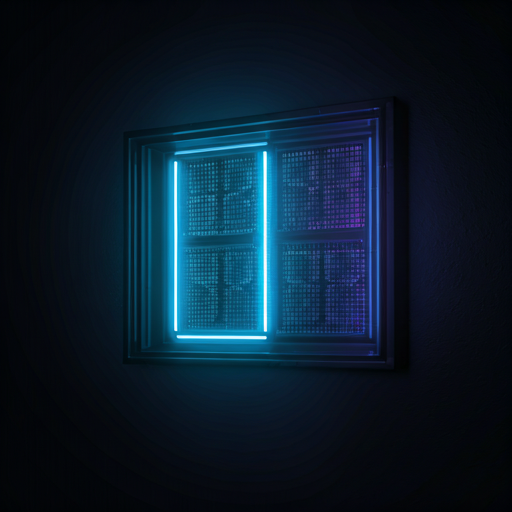
Transparent LED screens are a type of LED display that allows light to pass through them. This transparency is achieved by using micro-LEDs and a specialized frame structure that maximizes the gap between pixels, allowing up to 80% transparency in high-end models.
How It Works
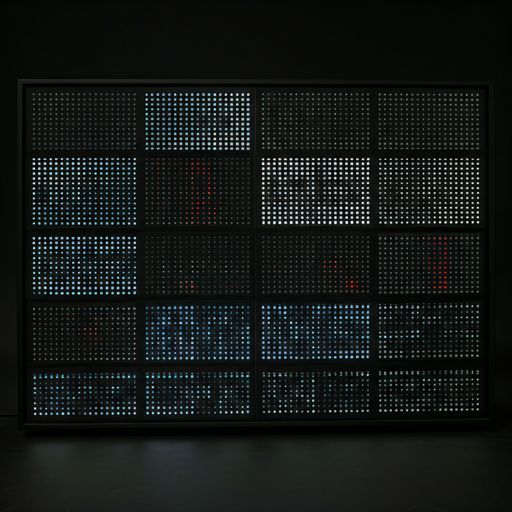
Micro-Mesh Architecture
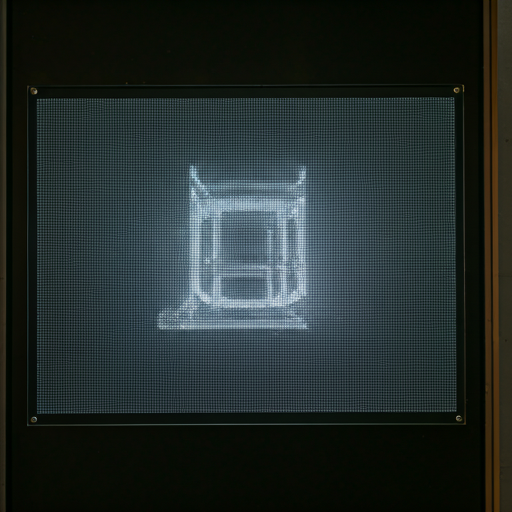
The core technology relies on thin LED strips mounted onto a glass-integrated frame. Because the strips are so narrow and the wiring is practically invisible, the human eye focuses on the illuminated content from a distance and "sees through" the display when up close.
| Feature | Traditional LED | Transparent LED |
|---|---|---|
| Transparency | 0% (Opaque) | 60% - 85% |
| Weight | Heavy (30-50kg/sqm) | Light (12-15kg/sqm) |
| Natural Light | Blocks light completely | Maintains indoor lighting |
Key Benefits
- Enhanced aesthetics for retail and corporate environments.
- Reduces energy consumption through optimized heat dissipation.
- Minimal structure required for mounting on existing glass.
Commercial Applications
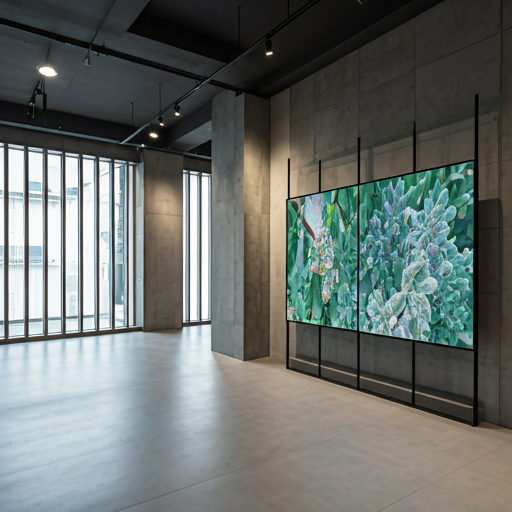
From luxury storefronts to stage designs, the versatility of transparent LEDs is unmatched. They are frequently used in airports, museums, and high-end shopping malls to create "floating" visual experiences.
Energy Efficiency
Transparent LEDs consume up to 30% less energy than traditional screens because only the necessary pixels are lit, while the "transparent" parts require no power.